How to Drill Stainless Steel Textile Components Efficiently
04/16/2026
How to Drill Stainless Steel Textile Components Efficiently
CNC Drilling stainless steel components used in textile machinery requires more than just standard machining knowledge. As textile equipment becomes more advanced and operates at higher speeds, the demand for precision-drilled components continues to rise.
However, many manufacturers still struggle with issues such as tool wear, poor hole quality, low efficiency, and inconsistent results. These problems not only affect production output but also increase costs and compromise product reliability.
Understanding how to drill stainless steel textile components efficiently is essential for achieving both high productivity and consistent quality.
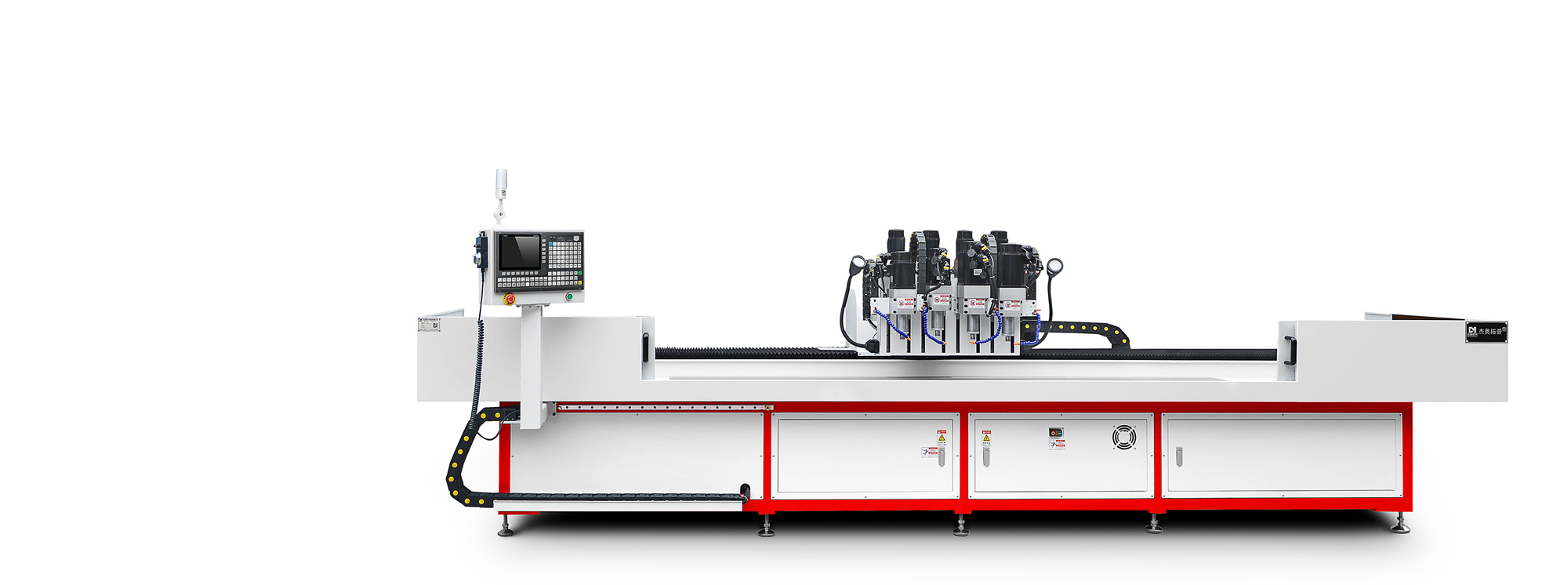
industrial cnc multi hole drilling system for textile equipment
Why Efficiency Matters in Textile Component Drilling
Efficiency in drilling is not simply about speed. It is a combination of:
Optimal cycle time
Tool life
Consistent hole quality
Minimal downtime
In textile machinery production, even small inefficiencies can lead to significant losses over large production volumes.
Challenges in Drilling Stainless Steel Components
1. Work Hardening
Stainless steel hardens quickly when exposed to heat and pressure during drilling. If the cutting process is interrupted or poorly controlled, the material becomes harder to machine.
2. Heat Accumulation
High temperatures during drilling can:
Damage cutting tools
Affect hole accuracy
Reduce surface quality
3. Tool Wear and Breakage
Due to the hardness of stainless steel, tools wear out faster, especially if incorrect parameters are used.
4. Chip Removal Difficulties
Continuous chips can clog the hole, increasing friction and reducing drilling efficiency.
Key Factors for Efficient Drilling
1. Optimized Spindle Speed and Feed Rate
Selecting the correct combination of speed and feed is critical.
Too fast → excessive heat
Too slow → increased friction
Balanced parameters ensure efficient cutting and longer tool life.
2. High-Quality Cutting Tools
Using carbide or coated tools improves:
Heat resistance
Wear resistance
Cutting performance
3. Proper Clamping and Stability
A stable setup reduces vibration, ensuring:
Accurate hole positioning
Better surface finish
Longer tool life
4. Effective Cooling System
Coolant plays a crucial role in:
Reducing heat
Flushing chips
Improving surface quality
Advanced Drilling Techniques
Peck Drilling
This method involves drilling in stages, retracting periodically to remove chips and reduce heat buildup.
Benefits:
Improved chip evacuation
Reduced tool stress
Better hole quality
High-Speed Drilling
Modern CNC machines allow high-speed drilling with optimized parameters, increasing productivity without compromising quality.
Thermal Friction Drilling
Instead of cutting, this method uses heat generated by friction to form holes.
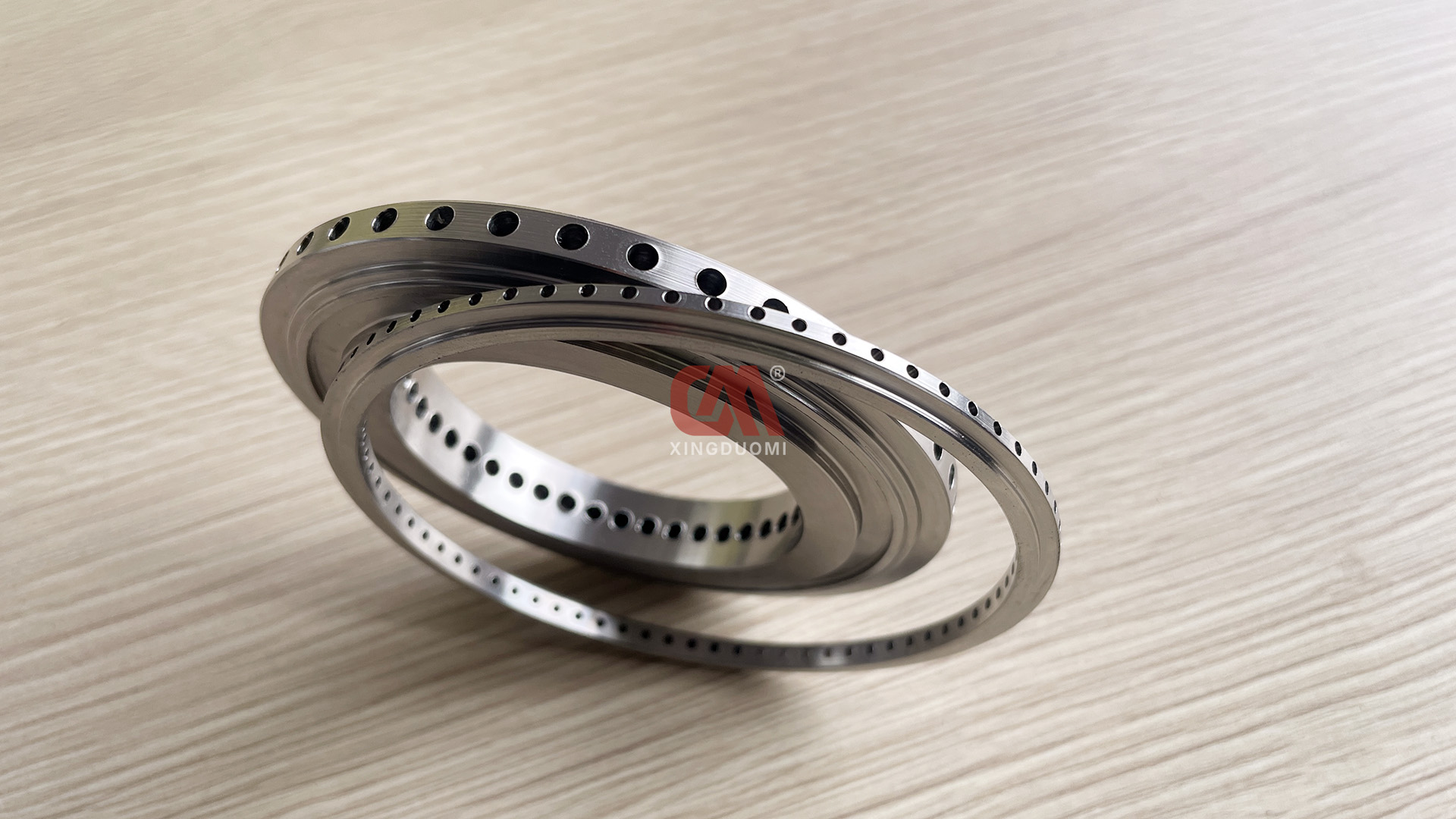
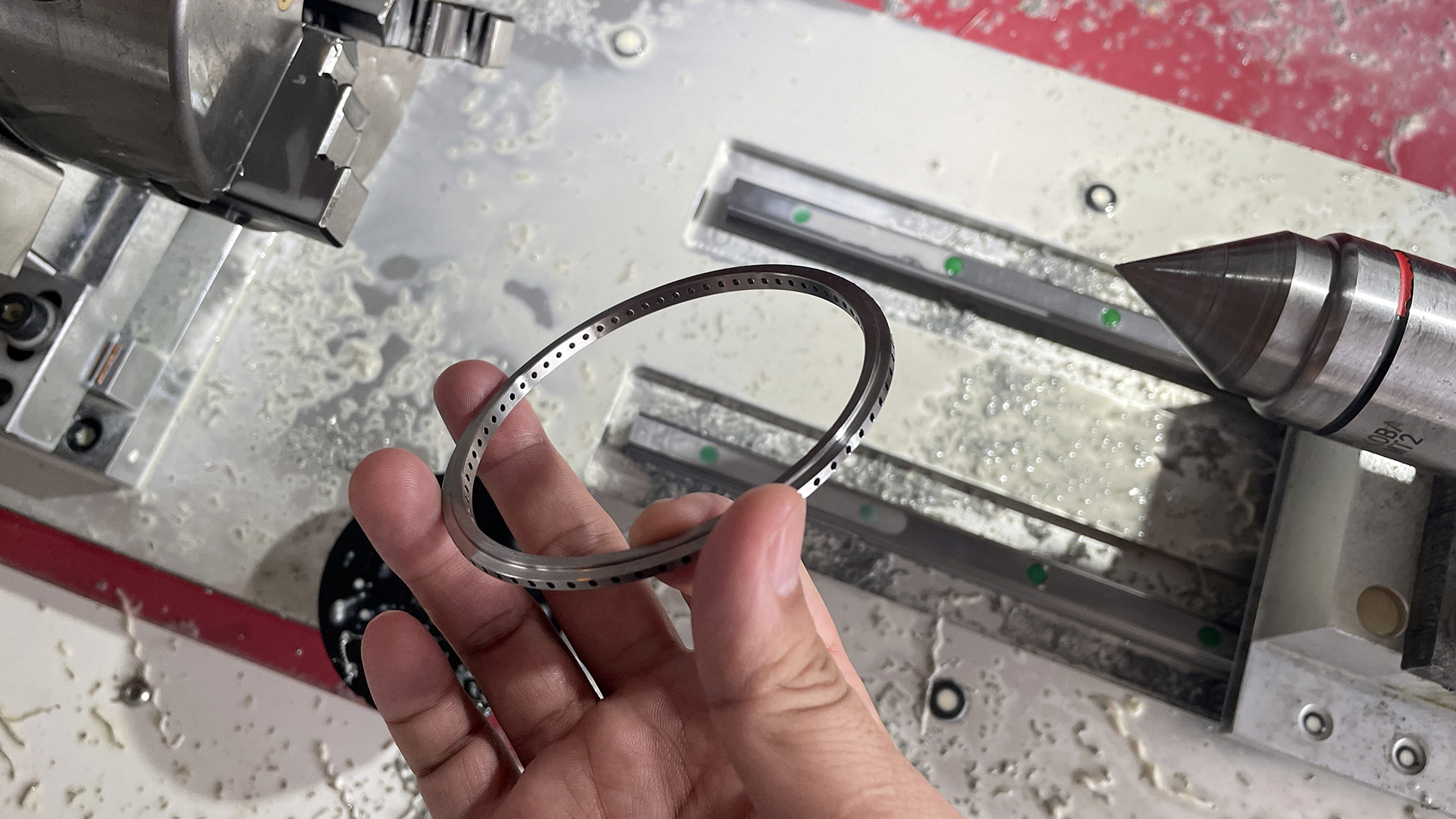
These parts require high precision and durability to ensure reliable machine performance.
Future Trends in Efficient Drilling
Smart CNC systems with real-time monitoring
AI-assisted parameter optimization
Increased automation
Energy-efficient machining
Conclusion
Efficient drilling of stainless steel textile components requires a combination of proper techniques, high-quality tools, and advanced CNC technology. By optimizing machining parameters and adopting modern solutions, manufacturers can significantly improve productivity and product quality.
Call to Action
Want to improve your drilling efficiency and reduce production costs?
Contact us today for a customized CNC drilling solution tailored to your application.
FAQ
1. What is the best way to drill stainless steel efficiently?
Using optimized spindle speed, proper feed rate, high-quality tools, and effective cooling ensures efficient drilling.
2. Why does stainless steel harden during drilling?
Due to work hardening, the material becomes harder when exposed to heat and pressure, especially if drilling is interrupted.
3. How can tool life be extended when drilling stainless steel?
By using proper cutting parameters, high-quality tools, and adequate cooling systems.
4. What is peck drilling and why is it useful?
Peck drilling involves intermittent cutting to remove chips and reduce heat, improving efficiency and hole quality.
5. How does CNC drilling improve efficiency?
CNC machines automate the process, ensure precision, and reduce cycle time, leading to higher productivity.